

Braking, Stability, and Safety: How Modern Electric Scooters Protect the Rider
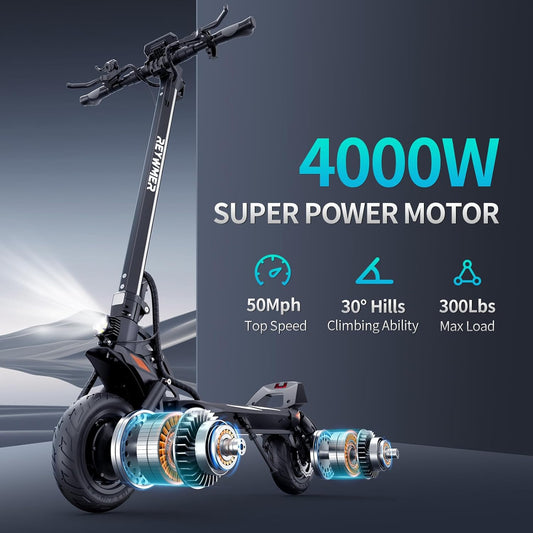
When electric scooters reach higher speeds, safety systems become as important as motor power.
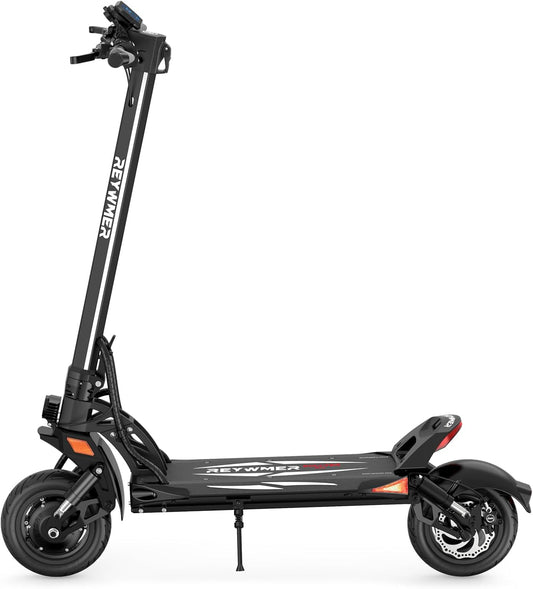
Modern high-performance electric scooters integrate multiple braking and stability technologies to protect the rider in real-world conditions.
Dual Braking Systems Explained
A high-end electric scooter typically combines:
-
Hydraulic disc brakes for strong mechanical stopping power
-
Electronic braking (E-brake) for smooth deceleration
-
Front and rear braking control for balanced stopping
This layered braking approach ensures consistent performance even during emergency stops.
The Role of Electronic Braking and ABS
Electronic braking systems allow riders to:
-
Adjust braking intensity
-
Reduce mechanical brake wear
-
Improve control during high-speed deceleration
Some scooters also feature ABS sensitivity settings, helping prevent wheel lock during sudden braking—especially useful on uneven or slippery surfaces.
Why Suspension Matters for Safety
Suspension isn’t just about comfort—it’s about control.
Air suspension systems combined with front and rear shock absorption help:
-
Maintain tire contact with the ground
-
Reduce vibration at high speed
-
Improve braking stability on rough roads
Better suspension means better braking performance.
Tires and Road Grip
High-performance scooters often use:
-
10-inch tubeless tires
-
Wider tire profiles (e.g. 10×3.0)
These tires offer:
-
Better shock absorption
-
Reduced puncture risk
Riding Smart Is Still Essential
Even with advanced systems, riders should:
-
Use proper protective gear
-
Avoid wet or slippery surfaces
-
Practice controlled braking techniques
Technology helps—but rider awareness completes the safety equation.
Tags:
Previous
From Commuter to Beast: What a High-Performance Electric Scooter Is Really Capable Of
Next
Lithium Battery Systems in Electric Scooters: Range, Charging, and Longevity


